
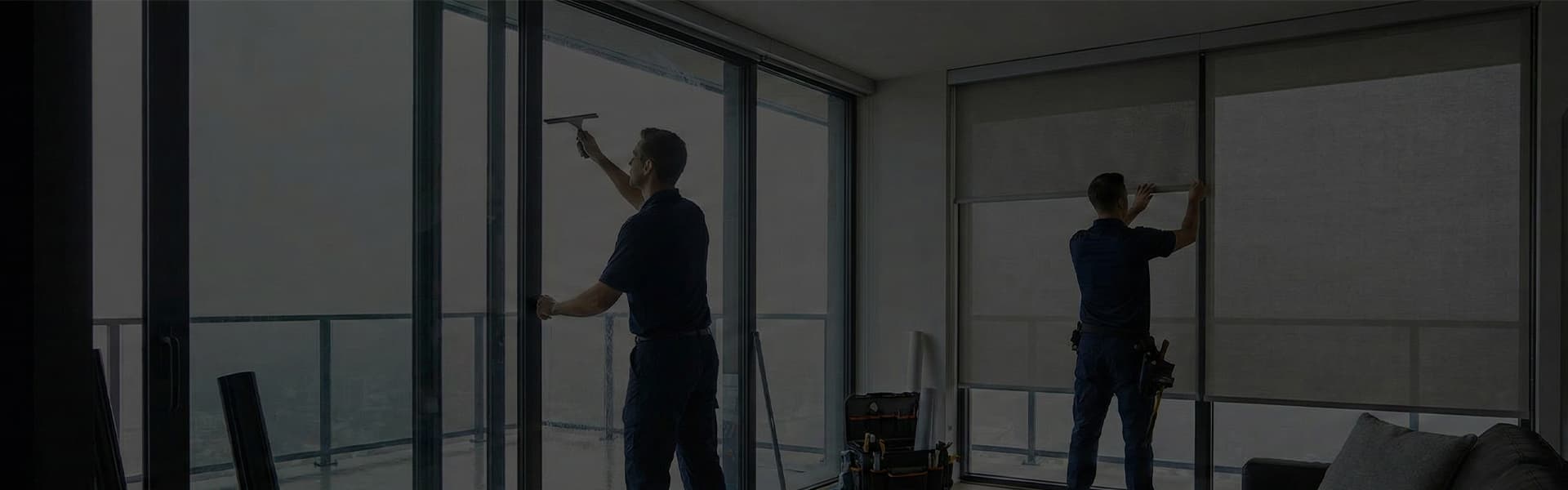

Why Offices Feel Hot Even With the AC On
Almost every office has it. The room people complain about. The one where someone is always adjusting the thermostat or dragging over a fan. The AC is on. You can hear it. You can feel the air moving. And still, the space feels heavy by mid-morning. By afternoon, it’s worse. People joke about it. They accept it. They work around it. Very few people stop to ask why it keeps happening.
It Usually Starts With the Windows
Most offices don’t think much about their windows once the building is finished. They’re just there. Clean. Clear. Part of the structure. But windows aren’t neutral. They don’t just let in light. They let in heat, slowly and constantly, especially in Southern California.
When the sun hits glass for hours at a time, that heat doesn’t bounce away. It comes inside and stays. The AC keeps running, but it’s always chasing something that never stops coming in.
The AC Isn’t Broken, It’s Outmatched
Air conditioning is good at cooling air. It’s not designed to block heat before it enters. So while cool air is being pushed through vents, sunlight is still pouring through untreated glass. One system is trying to undo what the other keeps allowing. That’s why offices can feel cool near vents but uncomfortable everywhere else. The air moves. The heat stays. It’s not a system failure. It’s a mismatch.
Sun-Facing Windows Make It Worse Without Anyone Noticing
Offices with large windows facing the sun feel fine early in the day. That’s part of why the issue gets ignored. As the hours pass, heat builds quietly. Desks near windows warm up first. Screens start to glare. People shift seats if they can. By the time discomfort is obvious, the heat has already soaked into the room. Floors, desks, and walls hold onto it. Cooling becomes a reaction instead of prevention.
Blinds Help the Eyes, Not the Temperature
When glare gets bad, blinds come down. That helps with brightness, but it often traps heat between the window and the room. So now the sun is blocked, but the heat stays. Sometimes it actually makes things worse. The room looks darker, but it still feels warm. People don’t connect the dots. They just accept it as part of the space.
Thermostats Don’t Feel What People Feel
Thermostats measure air temperature in one location. They don’t feel uneven heat. They don’t sit next to windows all day. So the reading might say everything is fine while half the room is uncomfortable. One person is cold. Another is sweating. The thermostat keeps getting adjusted, but no setting fixes the imbalance. That’s when people start blaming the system.
Heat Changes How People Work
Warm offices don’t just feel uncomfortable. They change behavior. People lose focus faster. Meetings feel longer than they are. No one says, “The window heat is affecting productivity.” They just feel tired, distracted, or irritable. Over time, that becomes the normal rhythm of the space.
Learn more about sunlight control solutions in Los Angeles and how window films help balance indoor temperatures.